I was having a scout around on the net and came across an article that suggested that when doing edge to edge straight line quilting it is best to have your backing fabric placed so that you are sewing across the grain Im guessing WOF here. Bias grain is the thread line that is at a forty-five-degree angle to the lengthwise and crosswise grain of the fabric as it is on the bolt.
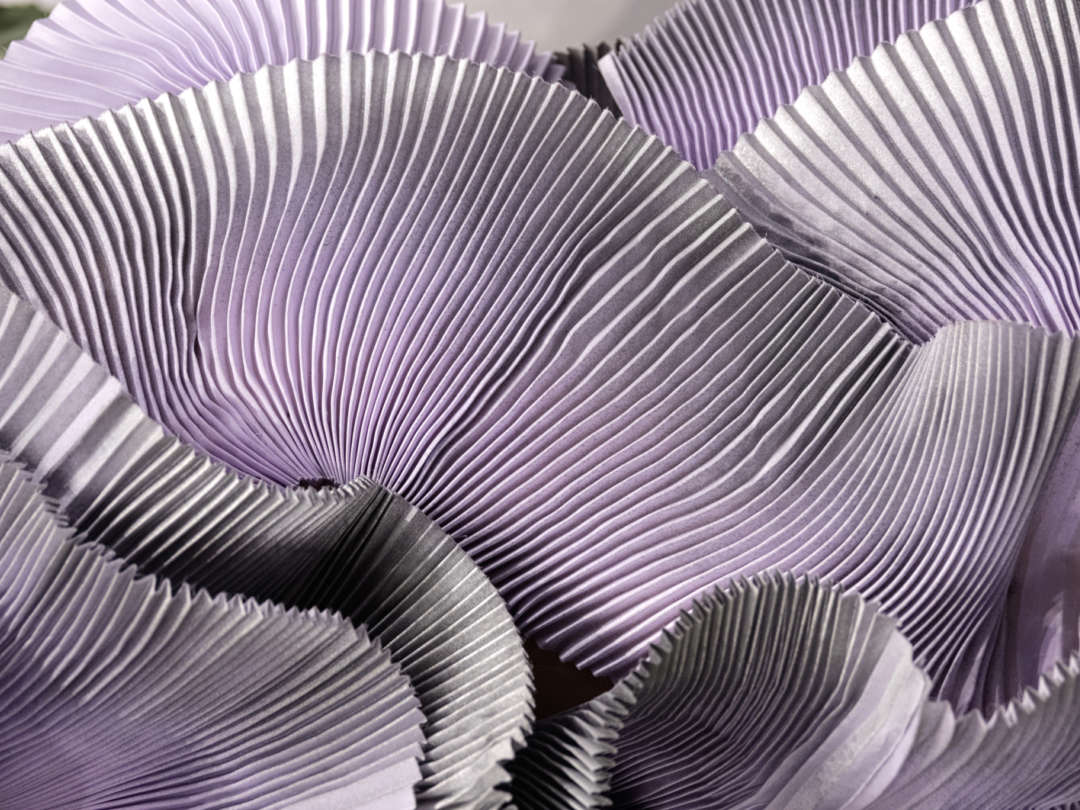
The Art Of Pleating Maison Du Pli
Length grain threads are usually smoother while cross grain threads can be coarse and slubby bumpy.
. Bias grain stretches more than either of these grains with the true bias grain having the most stretch. True bias is the 45-degree angle or middle between the crosswise and lengthwise grain. In short youre stuck with it.
Which grain has the most give andor stretch. If not fold the fabric together along the bias grain. The Crosswise grain is the best option for cutting binding.
The ___ finish on fabric keeps it from fraying or unraveling and determines the direction of all 3 grains. The stretchier direction is mostly likely the cross grain. So make it use it and then cut it into cleaning rags.
Fold your fabric in half selvages together. Cutting pieces according to a fabrics grain line results in more accurate piecing and a stronger finished quilt top. Therefore it is important that the grain direction be parallel to the spine.
If you pull across the crossgrain the fabric is a little stretchy and if you pull the fabric on a 45 angle on the bias the fabric has the most stretch. I mean you cannot stretch the fabric to force grain-alignment as one does with cottons. Quilters refer to any cut that doesnt run along a straight grain as a bias cut.
Paper and board much like the fibers that they are generally made from are sensitive to environmental factors such as heat and moisture. You should be able to pull the crosswise thread the cut edge of the fabric from one selvage to the other selvage as shown in the picture to the left. These are the shorter threads that run back and forth.
The fabric will Agive or stretch. Straight grain or lengthwise grain is in the direction of the warp threads which run parallel to the selvages. In weaving fabric manufacturers place the lengthwise threads warp tightly in the loom to eliminate stretch.
Direction of grain with backing. Crosswise grain is the threads that run perpendicular to the selvage of the fabric or the cut edge of the fabric as it comes off the bolt. Cutting binding on the Lengthwise grain will not allow for any give in your binding and you may have difficulty when turning the binding or sewing it down.
The lengthwise yarns stretch lesser than the crosswise yarns. Checkout the best way to cut and sew fabric on the bias The best use of diagonal cut of fabric is to make bias tapes which are used for biding. The grain also creates a natural direction the materials will tend to flex fold and tear which is parallel to the grain direction.
Hold the short corner with one hand and with the other hand grasp the opposite corner. The important thing to remember when piecing backing is to be mindful of the even seaming. Cut a couple of predetermined pieces of fabric against the grain.
The bias has stretch in woven fabric and will hang differently. Lengthwise grain tends to have the least stretch or give. If quilted along the grain Im guessing LOF it can.
Cross grain runs in the direction of the weft threads which run perpendicular to the selvage edges. Which grain runs parallel with the selvage give both names. Most commonly grain direction will be noted as the last dimension of the sheet.
Straightening the Fabric Grain. Align the pattern piece with the lengthwise grain. If the fabric has no selvage edge for example on a scrap piece of fabric you can figure.
Fold the fabric so lengthwise and crosswise yarns lie on top of and parallel to each other. Therefore the lengthwise grain is generally placed on the body in a vertical direction. This is used to cut for fitted garments.
This means that the lengthwise and crosswise grains are perfectly perpendicular or at right angles to each other. If the fabric is laying completely flat youre good to go. This grain runs parallel to the selvage edges of the fabric.
When your grain is off youll see that one of your corners is short. You will want your binding to have a little give so it can be eased onto the quilt. Bias grain is the stretchiest and has the most give.
The direction of the grainline matters because the direction a pattern piece is placed and cut on that grain affects the hang of the garment. The 45 angle cut is called the true bias. Bias is any diagonal direction on a fabric.
Learn vocabulary terms and more with flashcards games and other study tools. Each pattern piece will have a line with an arrow on one end or both end printed on it - the arrow should be placed parallel to the lengthwise warp grain. Fold it in half again to see if the edges now align.
The diagonal grain of the fabric produces the maximum stretch of the fabric. For example bias grain is used often in skirts to give a flowy ruffle effect. These are the long threads of woven fabric that run the entire length of the loom hence the name lengthwise.
If you pull the fabric along the selvage edge or straight grain the fabric hardly has any stretch. This is where a woven fabric will have the greatest give. True bias is defined as the direction at a 45-degree angle to the straight grains.
This looks particularly striking if youre fabric has a bold design like stripes or tweed. Keep in mind that the plates grain direction is a result of the mills rolling process which stretches the metallurgical structure and inclusions of the material. If your fabric does not match the ends and selvages according to your.
If youre making a jacket for example position the front and back sections on the lengthwise grain and position the side pieces for both the front and back on the opposite bias grains. This lengthwise grain is also known as the. This direction receives the greatest strain from sitting bending and moving.
To tell whether the fabric is properly aligned fold the selvage edges together and take a good look at it. The rest of the fabric may not align with itself thats not good but theres not much choice here. The lengthwise grain and crosswise grain are both regarded as straight grain sometimes called straight-of-grain.
And as noted previously the metals grains run parallel to the rolling direction. Your fabric is on-grain when the crosswise and lengthwise threads are at perfect right angles to each other. This is the direction of the straight grain.
They fall and drape better when they fall down the body. For one the lengthwise yarns of a fabric are stronger than the crosswise yarns. Start studying fabric grains - sewing.
STRONGER than crosswise yarns. As an example 1117-inch would be grain long fibers run in the 17-inch direction 1711-inch would be grain short fibers run in the 11-inch direction. If your seams are inconsistent the piecing will pucker and pull and possibly pleat when quilted.
Crosswise grain is the second stretchy. You can cut your pattern pieces out on different grains to get different effects. The selvage edges are the finished edges of the fabric.
A plates grains run parallel to the rolling direction. Following the grain line reduces stretching and distortion enhancing the overall appearance of your finished quilt. Gently stretch the fabric on the diagonal.
Weft threads make up the fabrics crosswise grain. Sometimes a fabric will get stretched and distorted during the finishing process and the length and cross grain threads wont be at a 90-degree angle to each other. Diagonal grain of the fabric Bias grain.
If you are using several smaller pieces of fabric you can mix the grains.

Different Types Of Folds And Pleats Supported By Our Framework Top Download Scientific Diagram

Pleating In 2022 Mood Designer Fabrics Types Of Pleats Fashion Design
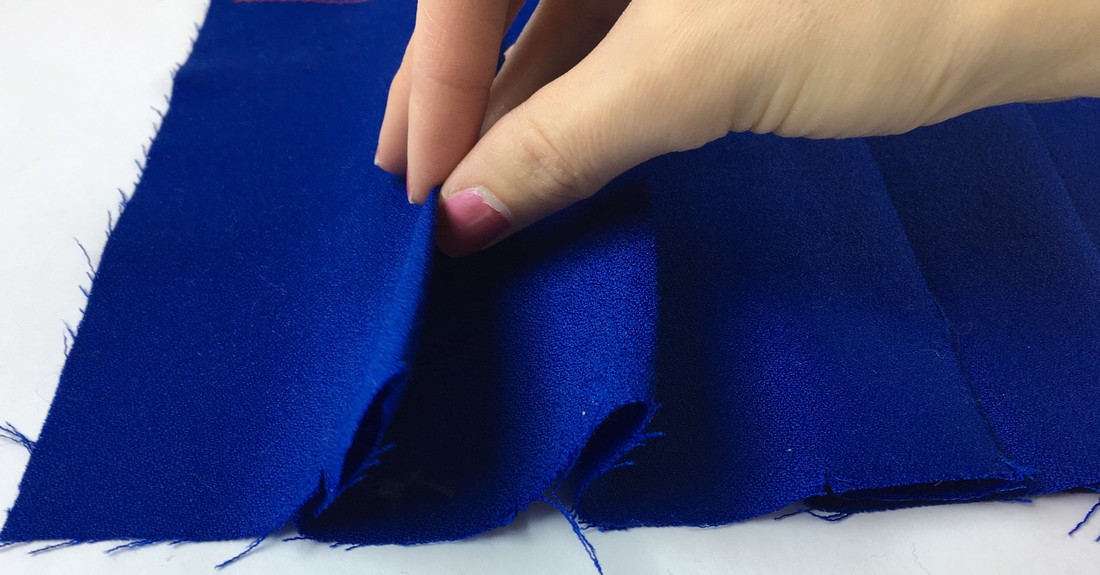
What Are Pleats Common Pleats And How To Sew Them Doina Alexei

This Is How Pleated Fabrics Are Made Youtube



0 Comments